






Cute baby boy with Down syndrome playing with dad on the bed in home bedroom
asian down syndrome female learning from barista making coffee in her café place of work
Picture of Julie Ball and Emily Ball

What We Do

A biracial baby boyl/ toddler and his peer enjoying playtime under the spervision of their carer.

Early Intervention

A woman makes a purchase in a farm cafe via contactless payment.

Schools and Post Secondary

Heart Shape with doctor

Health Promotion

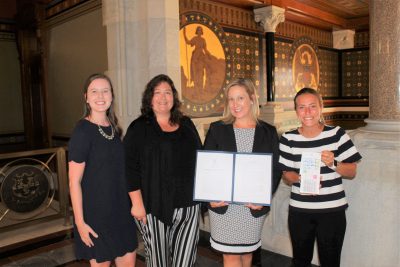
Picture of 4 community leaders

Leadership and Community Support

  • Jul
    30
    CT Leadership Academy for Early Intervention
    UConn UCEDD 270 Farmington Ave Farmington Suite 181
    ALL DAY

    The goal of the CT Leadership Academy is to create leaders in early childhood intervention who will provide innovation and sustained leadership to the CT Part C and Part B (619) system under IDEA. The content of the program focuses on competencies that are illustrated by speakers and learning activities. 

  • Sep
    12
    Nothing About Us Without Us (People First Of CT theme)
    Bristol Double Tree Hotel
    ALL DAY

    People First of Connecticut will sponsor its annual conference at the DoubleTree by Hilton Hotel in Bristol, Connecticut, on Saturday, September 12.
    This is a conference produced by self-advocates for self-advocates (and their friends!)
    The theme of the conference is Nothing About Us Without Us and the keynote speakers will be Scott Masson and Lauren Traceski. They will share their journey through marriage and adult life.
    Register to attend. Space is limited.

  • Sep
    17
    CT Aspiring Leaders Academy
    Virtual
    5:30 PM

    The purpose of this academy is to develop leaders who will provide innovative and sustained leadership to the Connecticut special education system. 

  • Oct
    3
    CT Aspiring Leaders Academy
    UConn UCEDD 270 Farmington Ave Farmington Suite 181
    9:00 AM

    The purpose of this academy is to develop leaders who will provide innovative and sustained leadership to the Connecticut special education system.

Comments Box SVG iconsUsed for the like, share, comment, and reaction icons

Today, we joined advocates, self-advocates, legislators, and community leaders at the 36th Anniversary of the Americans with Disabilities Act (ADA) to celebrate the progress we've made and reflect on the work still ahead.
Thirty-six years after the ADA became law, its promise continues to remind us that accessibility, inclusion, and equal opportunity are rights—not privileges. Together, we remain committed to advancing disability rights, promoting equitable access, and ensuring every person can fully participate in their community.
Thank you to CT ADAPT, the CT State Independent Living Council (SILC), the speakers, and everyone who continues to champion disability rights across Connecticut.
Happy 36th Anniversary to the ADA! ♿❤️
#ADA36 #ADAAnniversary #DisabilityRights #Accessibility #Inclusion #NothingAboutUsWithoutUs #Connecticut #DisabilityAdvocacy #EqualAccess
... See MoreSee Less

Image attachment
Image attachment
Image attachment
Image attachment
Image attachment

As Disability Pride Month is coming to an end, did you know the first official Disability Pride Month was in July 2015 for the 25th anniversary of the ADA? Disability Pride Month is celebrated each year in July.
Flags symbolize solidarity, pride, and acceptance. In 2019, writer Ann Magill, who has cerebral palsy, created the original Disability Pride flag. Magill was motivated to create the flag after a less-than-pride-filled experience at an ADA anniversary event.

The original flag featured brightly colored zigzagging stripes over a black background. The zig-zag symbolized the barriers people with disabilities face. However, this design caused symptoms in individuals with visually triggered disabilities when viewed on devices.
The diagonal band of six color stripes cut across the barriers separating the disabled from society, representing light and creativity cutting through darkness. Each of the six color stripes hold meaning:

Red: physical disabilities.
Gold: neurodiversity.
White: invisible disabilities and undiagnosed conditions.
Blue: emotional and psychiatric disabilities.
Green: sensory disabilities, including deafness, blindness, and other sensory disabilities.
Faded Black Background: mourning and rage for victims of ableist violence and abuse.
... See MoreSee Less

As Disability Pride
Load more
Blue envelope on a laptop, join our mailing list graphic